Concrete Driveway Installation in Sparks, NV: What to Expect from Pour to Finish
At roughly 4,400 feet elevation, Sparks sits high enough that a poorly timed or poorly built driveway slab can start cracking within a couple of winters. A professional concrete driveway installation moves through eight distinct stages — and skipping or rushing any one of them is usually what separates a slab that lasts 30 years from one that needs repairs in five.
Is Fall the Right Time to Pour a Concrete Driveway in Sparks?
Yes — concrete placed when air temperatures stay between 50°F and 90°F cures most evenly, and the Truckee Meadows window for those conditions typically runs from September through mid-November.
Concrete needs about 28 days to reach full design strength. An October pour gives the slab enough time to harden before the first hard freeze, which usually arrives in late November or December in the Sparks area. Pouring after mid-November compresses that window dangerously.
Fresh concrete exposed to a freeze before it has cured can suffer surface scaling and internal micro-cracking that are invisible at first but grow over time. Scheduling in fall avoids that risk and leaves you with a finished driveway before the ground hardens.
What Happens During Site Prep and Subbase Work?
A professional contractor starts with a walkthrough to measure dimensions, check slope and drainage, and evaluate the existing surface — whether that is old asphalt, cracked concrete, or bare soil. You should receive a written estimate that lists square footage, thickness, reinforcement type, and any demolition costs separately.
Northern Nevada soils often include sandy decomposed granite or clay-heavy layers that compress unevenly under load. After excavation to the required depth, a compacted aggregate base — typically Class II base rock — is installed and compacted in lifts. This step is the single biggest factor in preventing slab settlement and cracking years later.
Grading is done to direct runoff away from your foundation. A slope of about one inch per eight feet is a common residential standard, and getting it right during prep means you never deal with pooling water near the house.
Understanding Thickness, PSI, and Reinforcement for a Driveway Slab
Four inches is the minimum thickness for a residential driveway, but five to six inches is the better choice in Sparks given the freeze-thaw cycling and the weight of trucks or SUVs. Thicker concrete resists flex, and flex is what causes cracks.
Concrete mix is specified by compressive strength in PSI. A 4,000 PSI mix is standard for residential driveways; 4,500 PSI makes sense if the driveway will see heavy pickup trucks, RVs, or repeated delivery vehicle traffic. Higher PSI concrete is denser, which also means less water absorption and better freeze resistance.
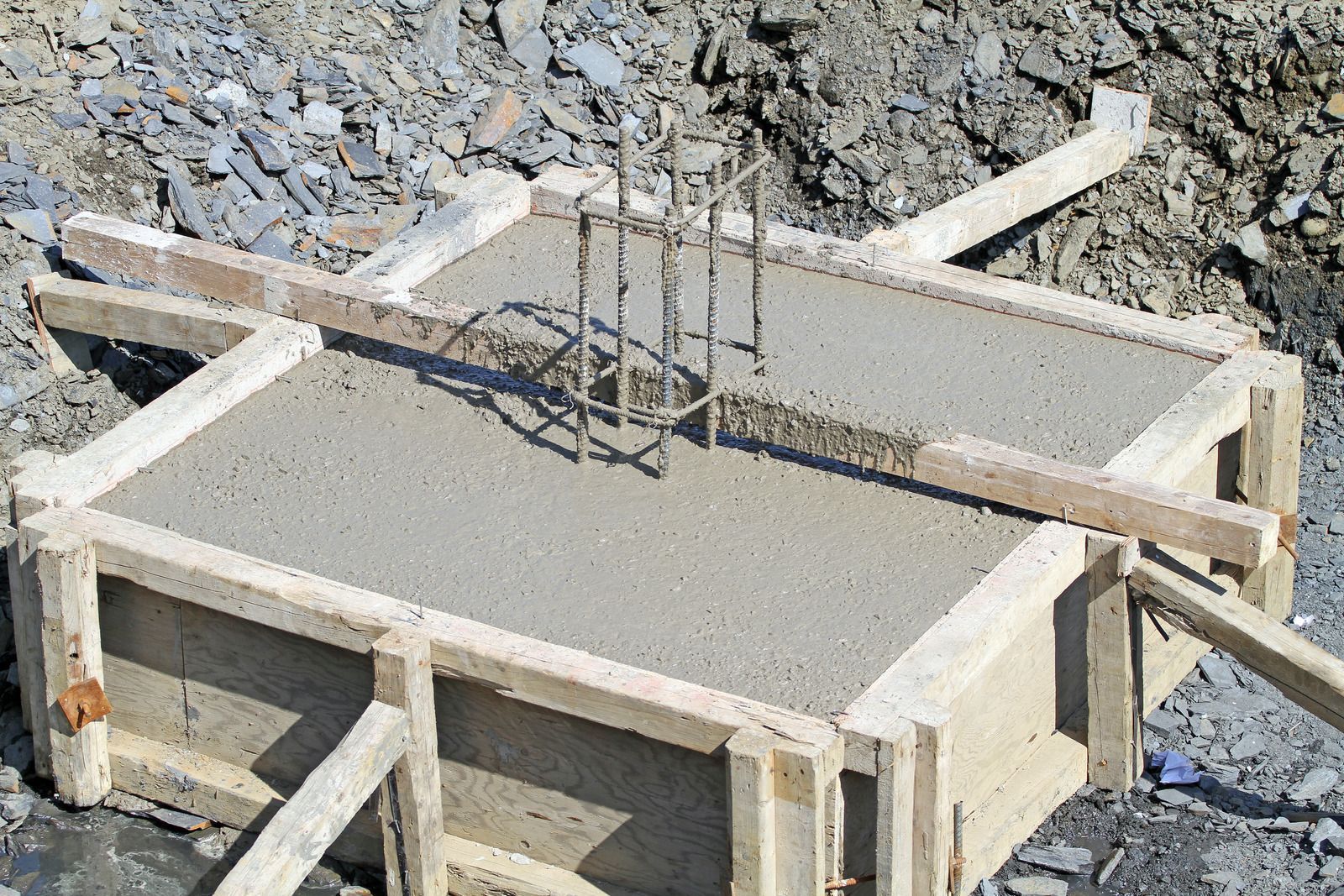
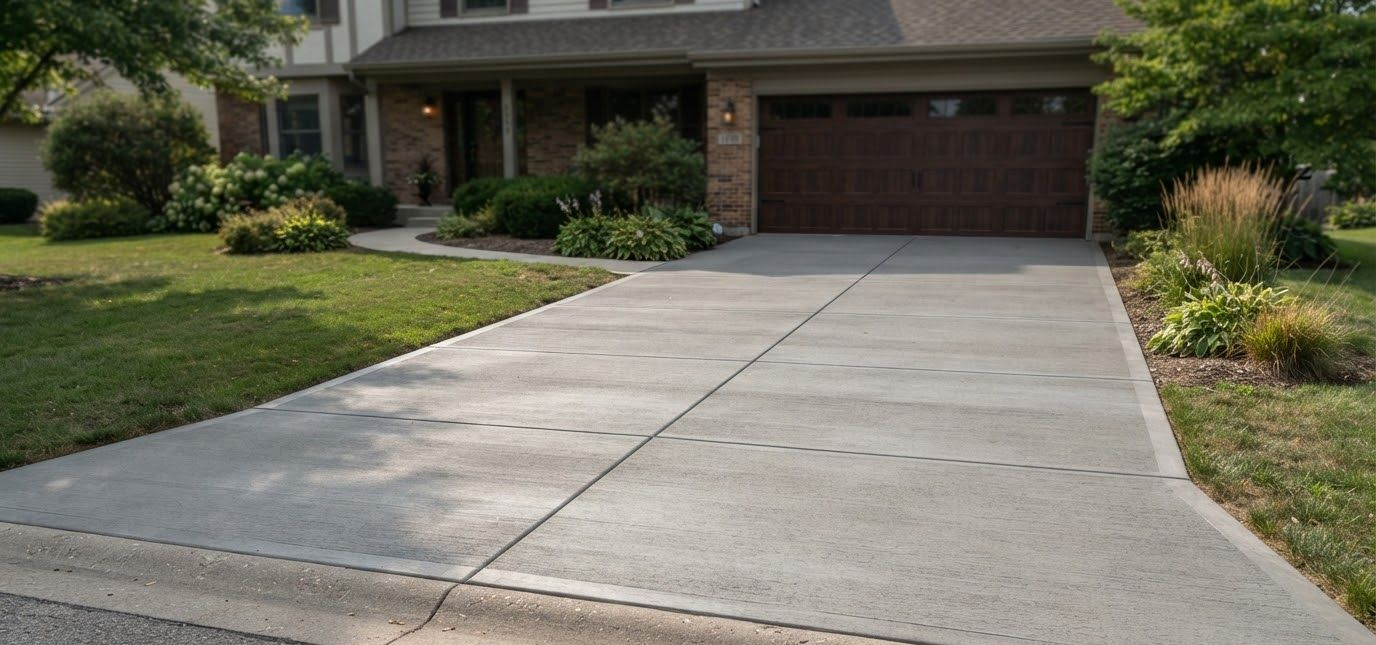
Rebar provides stronger tensile reinforcement than wire mesh and is the preferred choice for driveways that carry vehicle loads. Expansion joints are cut or formed at regular intervals — typically every 10 to 12 feet — so that normal expansion and contraction happens at predictable lines rather than random cracks across the slab face.
Decorative Finish Options Worth Considering
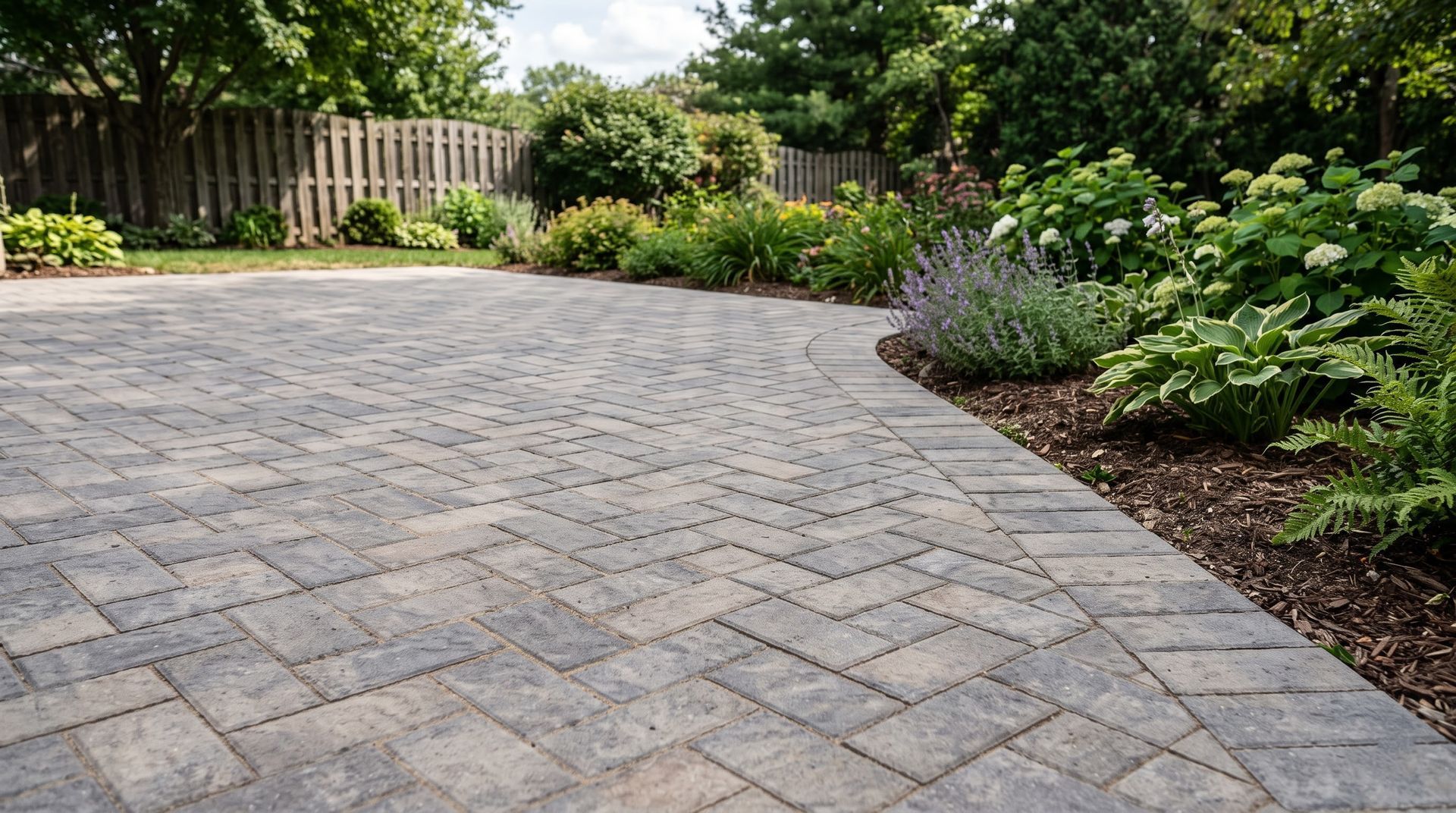
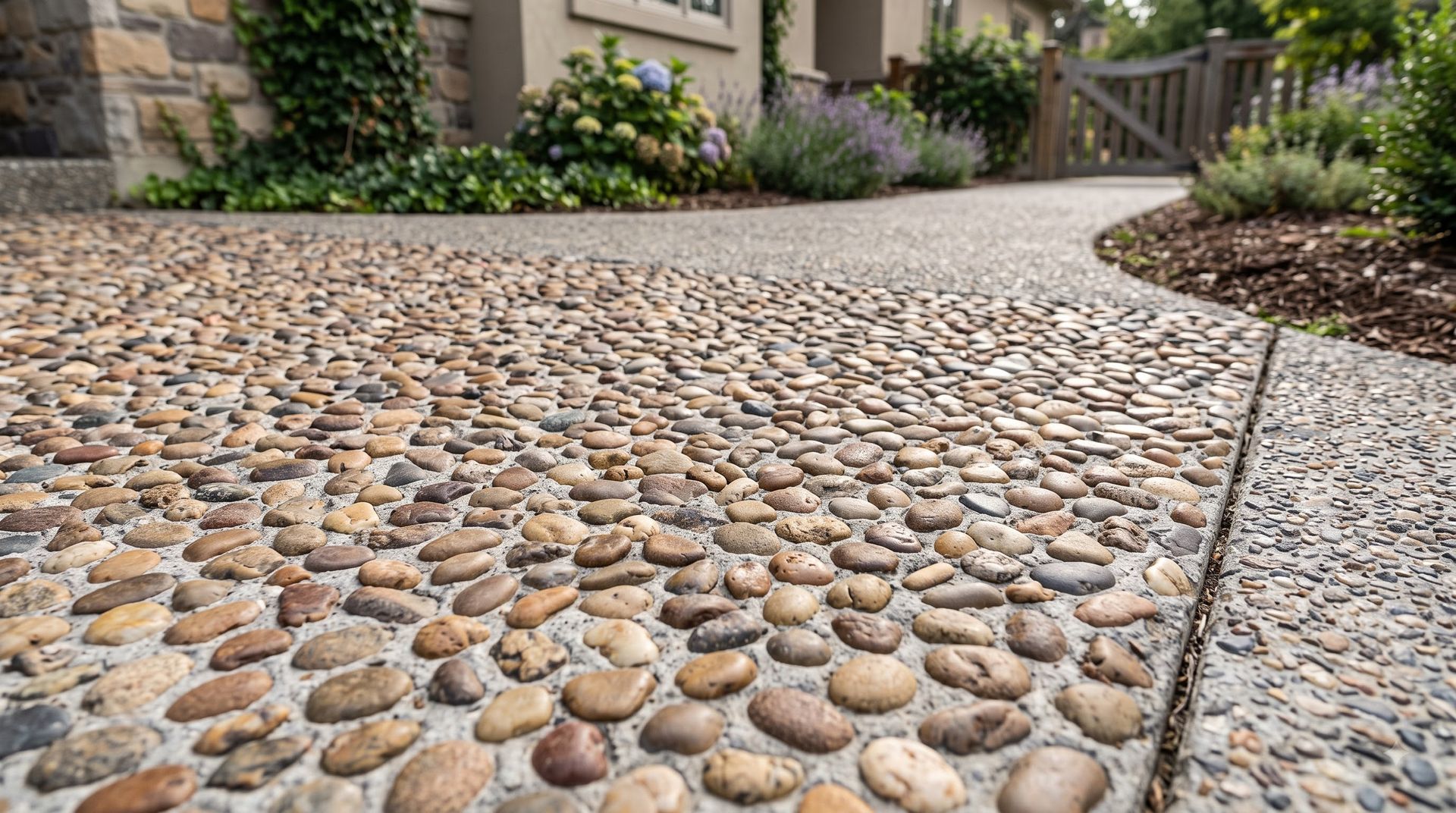
A plain broom finish is durable and slip-resistant, but it is not your only option. Stamped patterns pressed into the surface before the concrete sets can replicate the look of stone, brick, or tile at a fraction of the material cost. Integral color mixes pigment directly into the batch for consistent color through the full depth, while surface-applied stains or dyes add tones after the slab cures. Exposed aggregate finishes reveal the natural stone in the mix for a textured, speckled appearance.
If you are considering any of these upgrades, plan for them before pour day — stamping and color work happen in a narrow window while the concrete is still workable. Explore the decorative concrete options available for driveways if you want to see pattern and color examples before committing.
How Long Does a Concrete Driveway Installation Take in Sparks?
Demo and excavation typically take one to two days depending on the size and what is being removed. The pour itself is usually a single day. Then the waiting begins: foot traffic is safe after 24 to 48 hours, but you should keep vehicles off the slab for at least seven days.
Full 28-day strength is when the concrete reaches the PSI it was designed for. Driving on it before seven days risks surface marks and edge chipping, especially near the forms. In Northern Nevada, weather can push those timelines — cold snaps slow curing, and hot dry wind in early fall can cause the surface to dry too fast without a curing compound or wet-curing method applied by the crew.
Does Freeze-Thaw Cycling in Northern Nevada Shorten Driveway Life?
It can — but only if the slab was not built to handle it. Sparks experiences roughly 25 to 35 freeze-thaw cycles per year, where moisture absorbed into the concrete surface expands as it freezes and contracts as it thaws, gradually flaking the surface in a process called spalling.
The four-part defense against this is: adequate PSI, proper thickness, a well-compacted subbase, and a penetrating or acrylic sealer applied after cure. Each layer addresses a different failure mechanism. Sealing blocks moisture from reaching the concrete matrix, so the expansion cycle never starts inside the slab. Learn more about hardscaping and outdoor concrete work including protective coating options that extend driveway life through Northern Nevada winters.
Road salt and de-icers accelerate spalling significantly on unsealed concrete. A penetrating silane-siloxane sealer applied six to eight weeks after the pour is the lowest-cost protection available and can be reapplied every few years as maintenance.
Permitting and Contractor Vetting in Sparks
If your new driveway connects to a public street, the City of Sparks may require a right-of-way or encroachment permit before work begins. A licensed contractor will identify this during the site walkthrough and handle the paperwork — an unlicensed crew typically will not, leaving you exposed if the work is ever inspected.
Ask any contractor for their Nevada contractor license number, proof of liability insurance, and a list of local references. Ask specifically whether the bid includes subbase compaction and what thickness and PSI they are quoting. Vague answers to those two questions are the clearest signal that corners will be cut.
A slab built with proper subbase, correct thickness, and the right mix will outlast one rushed to save a day of labor by a decade or more — and that difference is entirely in the preparation work you never see once the concrete is poured.
Every step from site evaluation through sealing is designed to make the finished slab perform reliably through Sparks winters and dry summers for decades.
Schedule a site walkthrough with Artisan Brothers Outdoor to get a written estimate that covers every stage of the process.
Recent Posts